Older homes are not like new builds
Kelowna has a mix of older houses, newer subdivisions and strata buildings. Homes with some age bring character, but they also bring surprises. Walls may not be square, trim may have many layers of paint, and past repairs may be hiding under the surface.
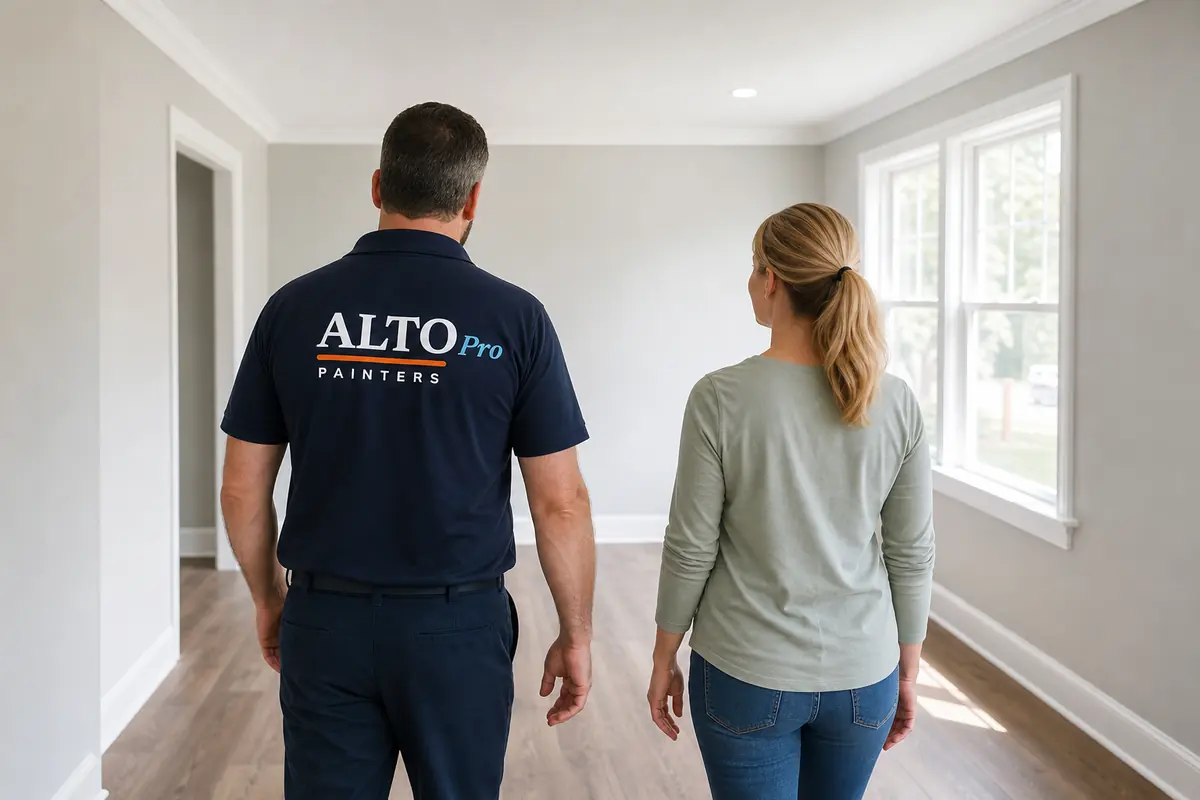
A good paint job on an older home starts with a careful look. We check the walls, ceilings, trim and exteriors before we talk about colours. That visit tells us what repairs are needed and what kind of prep will make the paint stick and last.
Test first if the house is pre-1990
If your home was built before 1990, test first. Older paint can contain lead, and some older building materials, such as certain textured ceilings, plaster products and flooring, can contain asbestos. You cannot tell by looking.
Sanding, scraping or cutting into these materials can release dust that is dangerous to breathe. Before any sanding or demolition, have the suspect materials tested by a qualified lab or hazardous materials professional. If a test comes back positive, special handling rules apply. Do not start scraping on a hunch. We will always ask about the age of the home during your quote request for this reason.
Plaster, lath and old drywall
Older walls are often plaster over lath, or early drywall with heavy joint compound. Plaster can have hairline cracks, bulges where it has pulled away from the lath, and patches from old wiring work. Painting over a loose area just hides it for a short time.
We tap and check walls for hollow spots, cut out failed areas, patch with the right compound, sand and prime. Sometimes a wall is better handled by a proper fix than by layer after layer of filler. For more serious damage, our drywall repair service can rebuild the surface before painting.
Old trim, doors and windows
Trim in older homes often carries decades of paint. Thick layers can fill detail, crack at the edges, and chip in sheets. Doors and windows may stick because paint has built up in the gaps. This is a place where proper prep matters more than the paint brand.
We scrape loose paint, feather the edges, fill dents, caulk gaps and prime bare spots. Glossy old oil finishes need a light sand and a bonding primer so new paint does not peel off. Wood windows exposed to the Okanagan sun often need extra attention on the sills and bottom rails, where moisture and heat do the most damage.
Wallpaper, texture and surprises under the paint
Older houses sometimes hide wallpaper under paint, or under another layer of wallpaper. Painting directly over it can cause bubbling and seam lines to show through. Removing it is messy but usually worth it. The work is steady: score, soften, scrape, wash off the adhesive, then repair and prime the wall.
Textured ceilings are another common feature. Sometimes the texture is kept, and sometimes it is smoothed out. If your ceiling is textured and from before 1990, test first, as noted above, before scraping or sanding.
A simple order of work for an older home
A reliable plan keeps the job on track and the result clean.
- Book testing for lead and asbestos on any suspect pre-1990 materials.
- Repair structural or moisture issues, such as leaks, rot and failing caulk.
- Fix plaster and drywall damage and remove old wallpaper where needed.
- Scrape, sand, fill and prime trim, doors and windows.
- Apply paint in coats, with the right primer for each surface.
- Do a walk-through with you to check touch-ups before we leave.
Matching the colours and character of the house
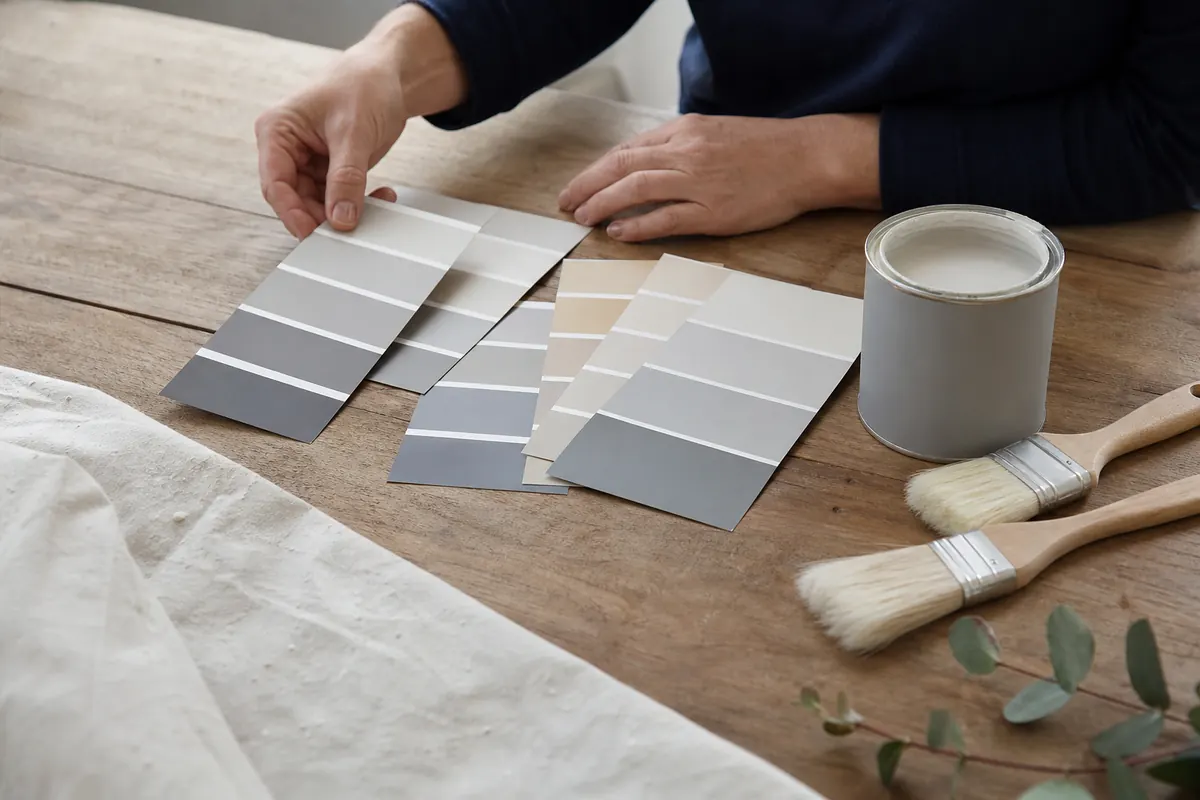
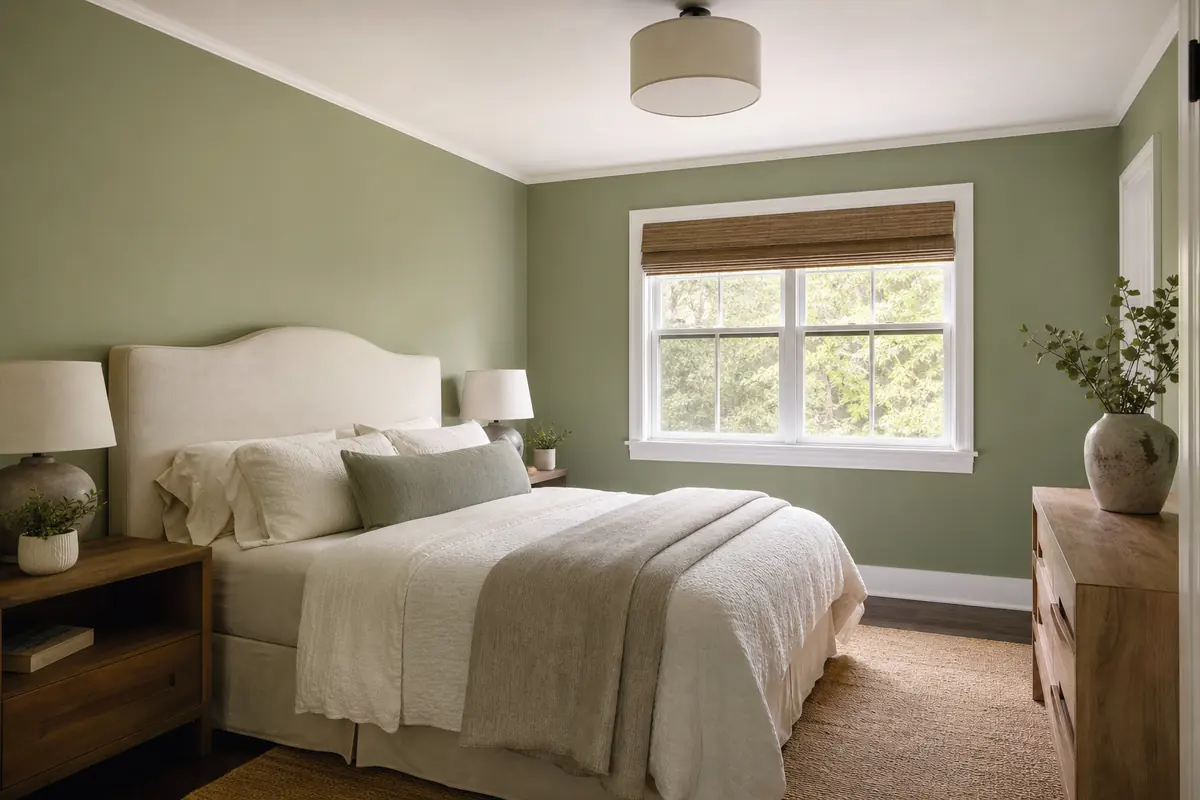
Many owners of older homes want to respect the style of the house. That might mean traditional trim colours, a warm neutral inside, or a restrained exterior palette. We can help you test samples on the actual walls, since old plaster and wood absorb colour differently.
The interior painting and exterior painting pages show how we approach each part of a house. When you are ready, ask for a free written quote and we will walk through your home, point out what needs fixing first and put it all in writing.
Frequently asked questions
Do I need to test for lead before painting an older home?
If the house was built before 1990, test first. Lead paint cannot be identified by sight. Testing before any sanding or scraping lets you choose safe handling if it is found.
Can you paint over old wallpaper?
It is risky. Seams and bubbles often show through, and moisture in new paint can lift the old paper. Removing it, cleaning off adhesive and priming gives a more reliable result.
Why does prep take longer in an older house?
Older homes often have layered paint, cracked plaster, uneven surfaces and past repairs. Fixing these properly before painting is what makes the finish look smooth and last.
Related painting services
More painting guides
- Choosing Paint Colours Inspired by Kelowna’s Lake, Hills and Orchards
- What to Look For When Hiring a Local Kelowna Painter
- How Painting Quotes Work in Kelowna
Have a question first? Read the FAQ, learn about Alto Pro Painters or contact us.
Further reading: Health Canada: lead-based paint and Health Canada: asbestos and your health.