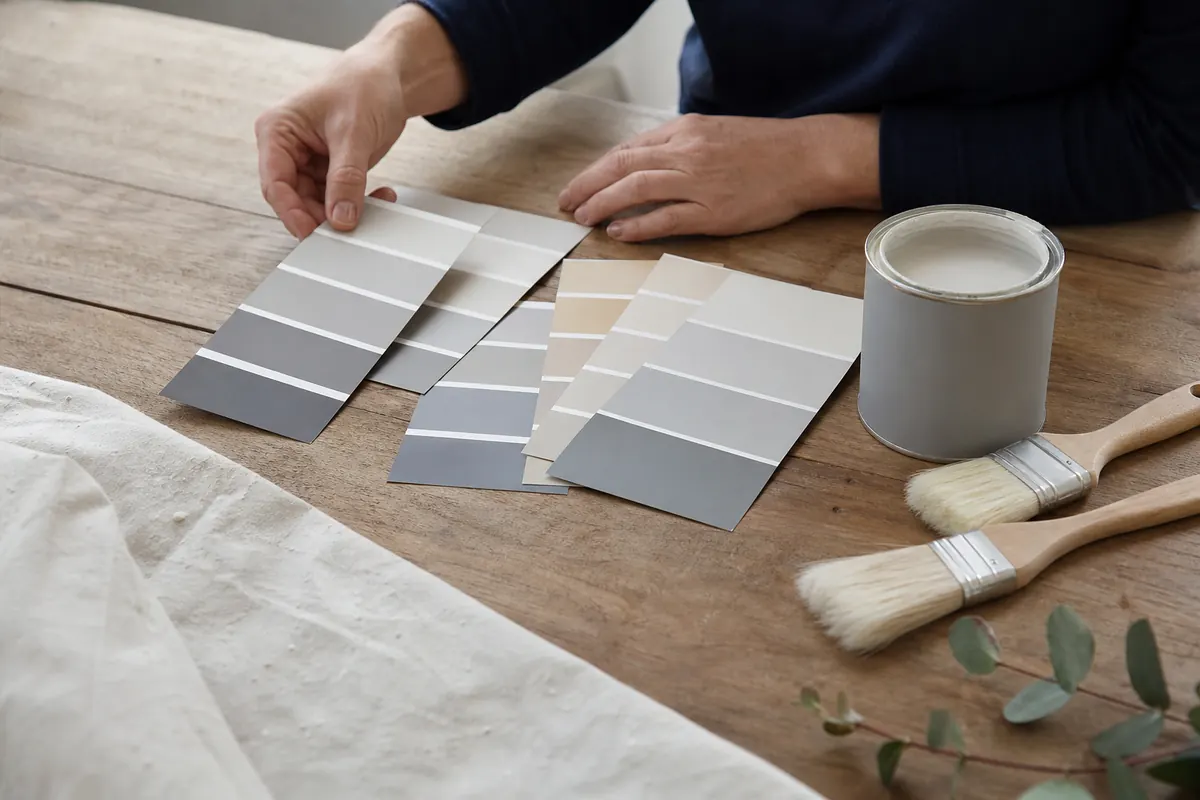
Why sorting comes before colour
Most people start a refresh by flipping through colour chips. It is more useful to start with a laundry basket and a few boxes. Paint shows off a room, and a room packed with things nobody uses never looks finished, no matter how good the walls are.
There is a practical side too. Every item sitting against a wall is something a painter has to move, wrap or work around. Fewer things in the room means less time spent shifting furniture, cleaner edges along baseboards, and fewer chances of a scuffed lamp or a dripped-on bookshelf. Sorting is the cheapest preparation you can do, and it costs nothing but a weekend.
Start with the rooms that fill up fastest
Kitchens and bathrooms collect the most clutter without anyone noticing. Drawers fill with mismatched mugs, extra pots and half-empty bottles that have not been touched in months. Closets hold clothes that no longer fit and gifts that were never opened. Garages and spare rooms become holding pens for anything undecided.
Pick one of these spaces and finish it before you move on. Doing a little in every room leaves the whole house in a state of half-done, which is how a simple refresh turns into a month of living around boxes.
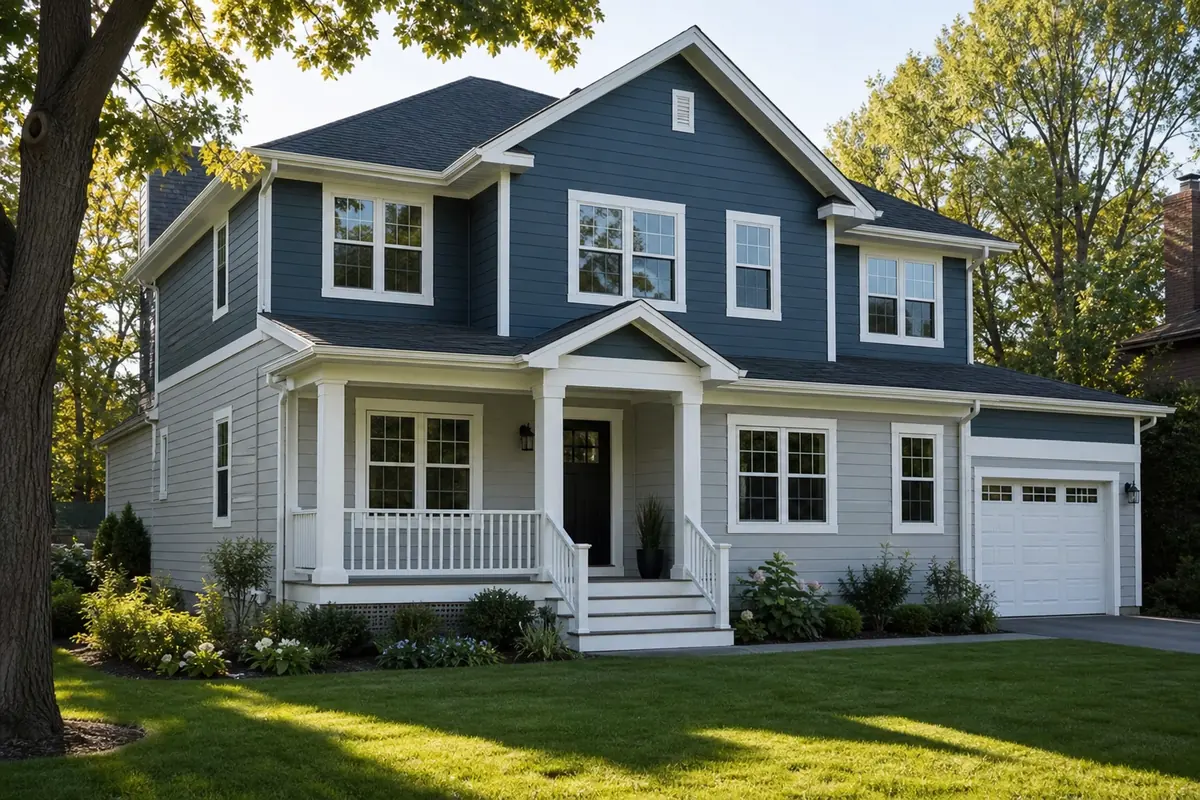
A simple two-column method for deciding what stays
Take a sheet of paper and draw a line down the middle. On the left, write the things that have real value to you, whether that is sentimental, practical or because you simply love looking at them. On the right, write the things that are broken, disliked or forgotten.
Then work the right-hand column in order. Items that still work but get no use can be donated or passed to someone who will use them. Broken things go out with the garbage or to the proper recycling drop-off. For pieces you are unsure about, set a boundary: if you have not used it in a full year and cannot name a reason to keep it, it goes.
- Keep: things you use, things you love, things that hold a memory you actually want to see.
- Donate: working items in good shape that you have outgrown.
- Recycle or discard: anything broken, expired or stained beyond use.
- Store for now: furniture you may want later, in a rented unit or a tidy corner of the garage, so it is out of the painting zone.
Plan the refresh one room at a time
Once the clutter is under control, look at the house as a series of separate jobs. Each room has its own light, its own traffic and its own purpose, so each one deserves its own short plan. Write down what the room is used for, what bothers you about it, and what you would like to feel when you walk in.
A bedroom might need to feel calm and quiet. A hallway might need to take scuffs from shoes and school bags. A home office might need to be bright enough to work in without a lamp on. These answers decide colour and sheen far better than a trend article does.
Choose a palette for the whole home
A home reads as put together when the colours talk to each other. Pick two or three main colours and decide where each one leads. One might be the main wall colour used through the open living areas, another a deeper shade for a feature wall or a bedroom, and a third a clean white or soft neutral for ceilings and trim.
Be careful with strong colours in rooms where you want to rest or concentrate. A deep, saturated red on every wall of a bedroom can feel heavy at bedtime. Cool, muted tones suit rooms where you want calm, and warmer ones suit places where people gather. Always test a sample on the actual wall and look at it in the morning and again under lamps in the evening.
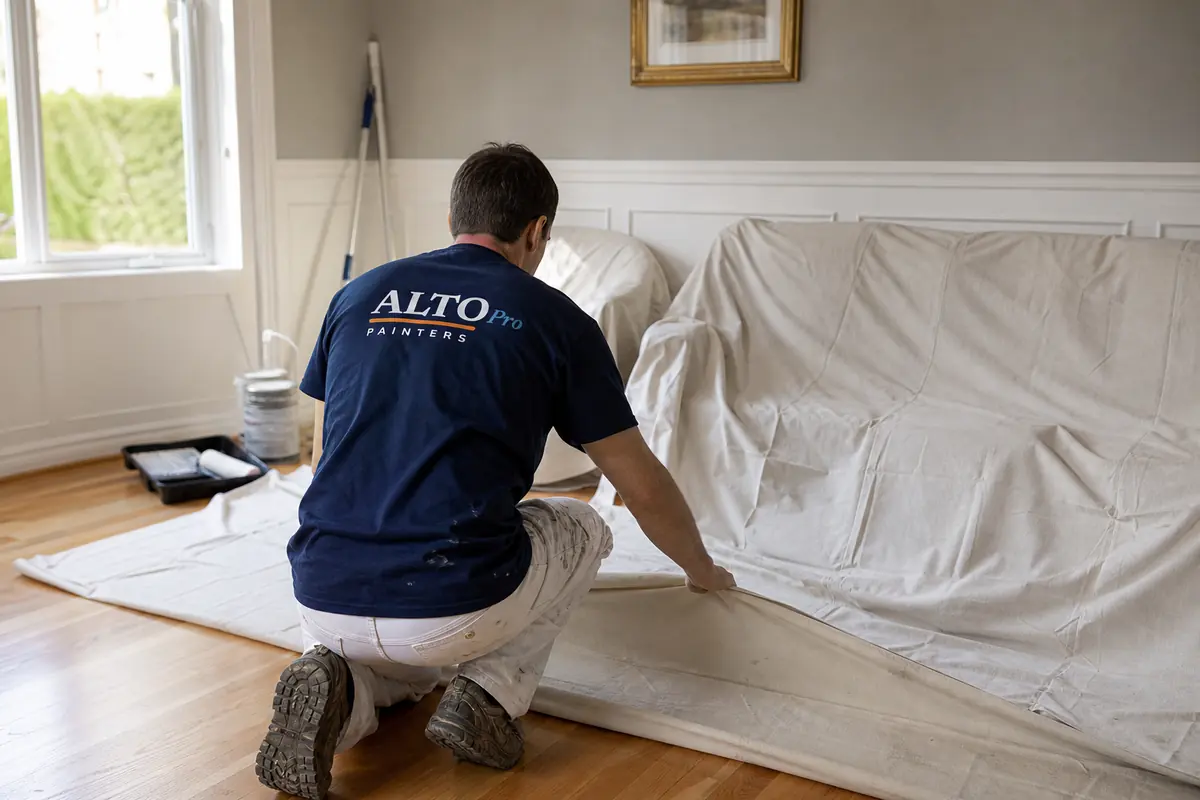
Give tired pieces a second life
Not everything dated needs replacing. A worn dresser, an old bed frame or a scratched interior door can look new with the right prep and paint. The surface has to be cleaned, sanded and primed first, otherwise the coat will peel. Done properly, a painted piece can look intentional rather than patched.
Kitchen cabinets are the biggest example. If the layout works and the boxes are sound, painting them is often a smaller job than replacing them. If that is on your list, our cabinet painting page explains how that work is done.
Use furniture and art to fit the space
Oversized pieces make a small room feel smaller. If the ceilings are low, lower furniture helps the eye travel upward. Mirrors placed across from a window bounce light around, and a lighter wall colour opens up a tight room. Storage that hides inside an ottoman or under a bed frame keeps daily items out of sight without adding another cabinet.
Art does not have to be expensive to work as a focal point. One large print or a simple framed piece over a sofa draws the eye better than a crowd of small things. Leave some bare wall around it. Empty space is part of the design.
What to clear before the painters arrive
A good painting crew will move and cover furniture, but they should not be asked to pack your life. Before the first day, a short checklist saves time on site. We usually go over this on the pre-job call so there are no surprises on paint day.
- Empty shelves, countertops and the tops of dressers so nothing fragile gets knocked.
- Take small items off the walls: frames, mirrors, clocks and shelves.
- Clear the floor space around the walls, about a metre of open room, where possible.
- Remove curtains, blinds and rods unless you have agreed that they stay.
- Put away anything valuable or breakable, and any papers on desks.
- Tell the crew about pets, so doors and gates are handled safely.
- Clear a path from the front door to the work area for drop sheets and equipment.
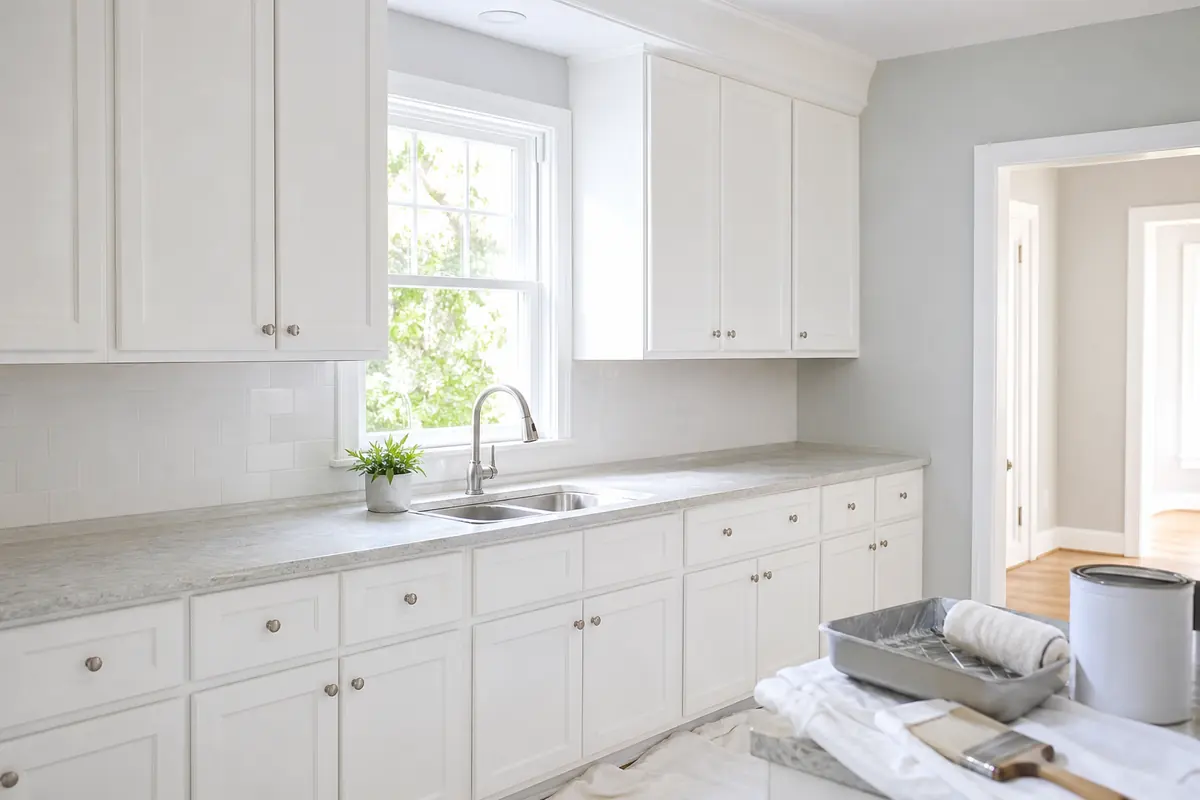
Let the quote reflect the clear space
A room that is cleared and sorted is quicker to prep, and the written quote can say so. When you request a free written quote, tell us how much you plan to clear and how much we should handle. That way the scope lists the surfaces, the prep, the paint and the timeline, and nobody is guessing about who moves the bookshelf.
Frequently asked questions
Do I have to empty the whole room before painting?
No. Painters move and cover furniture as part of the job. Clearing small items, shelves and wall hangings still helps a lot, and it is easier if the floor around the walls is open.
Should I declutter or choose colours first?
Declutter first. A cleared room lets you see the walls and the light properly, which makes colour choices much easier.
Can furniture be painted at the same time as the walls?
Often yes, if it is the right kind of piece and the surface is prepped properly. Mention it when you request a quote so it can be written into the scope.
What if I have nowhere to put things during the job?
Group them in the centre of the room or in one spare room, and tell us on the pre-job call. We can plan the order of rooms so one space is always free.
Related painting services

More painting guides
- Door Painting Ideas: Front Doors, Interior Doors and Curb Appeal
- Painting, Staining, Refinishing or Refacing Kitchen Cabinets
- What a Professional Repaint Does for a Home
Have a question first? Read the FAQ, learn about Alto Pro Painters or contact us.
Further reading: Interior design on Wikipedia and Canada Mortgage and Housing Corporation.
Watch: how the work is done
How to paint a room fast, like a pro, by SgtDonovan on YouTube.