Exterior painting: the spring window
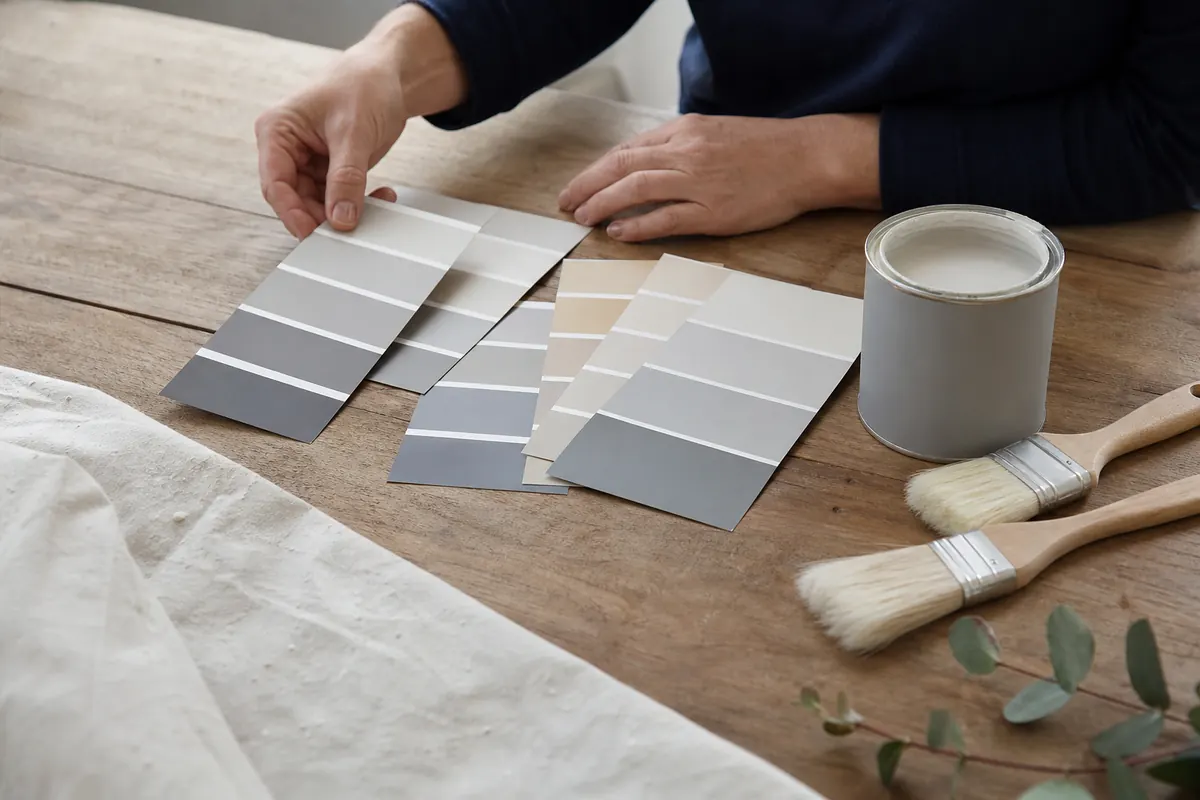
Spring is a popular time to start exterior work once the nights stop freezing and the walls have dried out from winter. Surfaces that sat under snow or ice need time to dry before they get washed and painted. Painting damp wood or stucco traps moisture, and that leads to blistering later.
Early spring can be unpredictable. A warm afternoon may be followed by a cold night, and paint needs both air and surface temperatures to stay above the limit on the can while it cures. We watch the forecast closely in March and April and are happy to wait a few days for steadier weather.
Summer: long days, but heat needs managing
Summer gives the longest working days and the driest conditions, which is why many Kelowna homeowners book exterior work between June and September. Walls dry quickly and recoat times are short. The trade-off is heat. Paint applied to a hot, sun-baked wall can dry too fast, skin over and show brush and roller marks.
To handle this, the crew follows the shade around the house. We start on cooler sides in the morning and move as the sun moves. If you are curious how weather affects the product itself, our guide on choosing a paint finish and the notes on climate in our other guides explain why sheen and colour matter on sunny walls.
Fall: a quiet favourite for exterior work
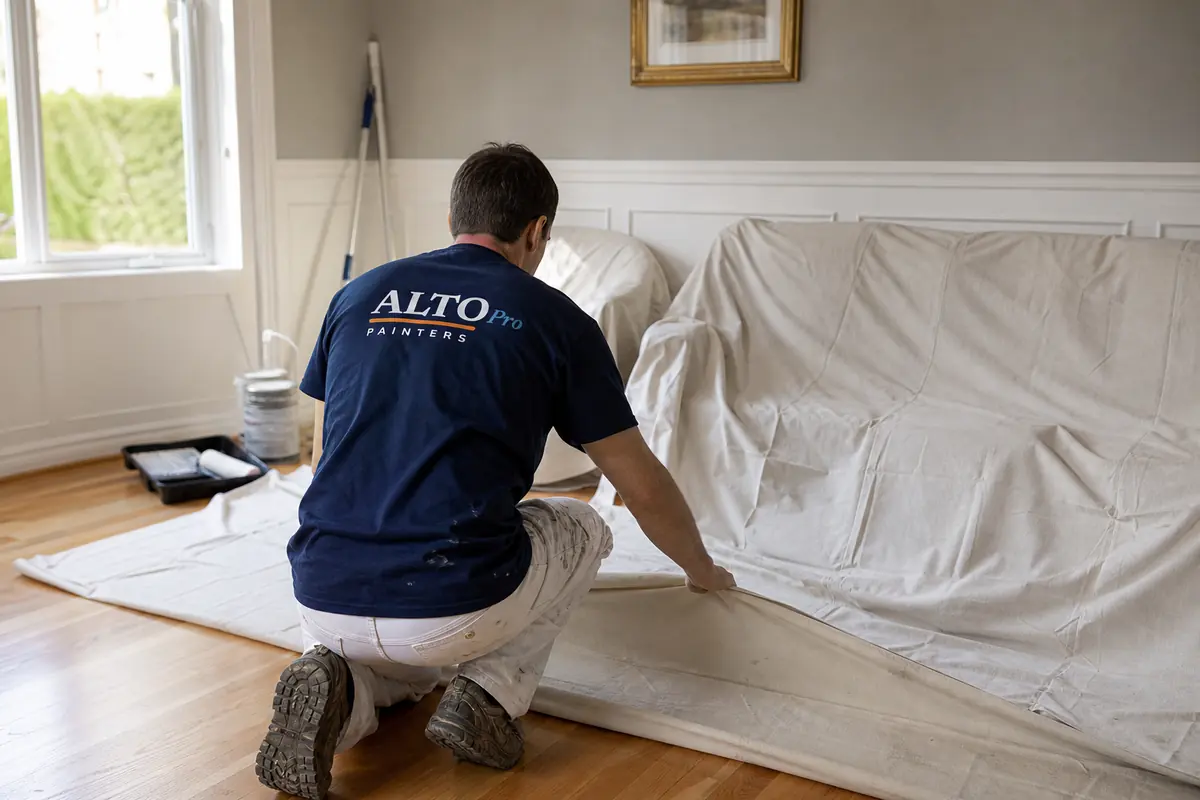
September and early October often bring mild days, cooler nights and less dust than midsummer. Many painters like this window because walls are no longer scorching and the air is steadier. It is also a smart time to protect your home before winter, since fresh paint and sound caulking help keep moisture out of wood and stucco.
The catch is that the window closes. As nights cool and dew gets heavier, it gets harder to meet the product limits. Short days also cut the working hours. If you want exterior work done in the fall, book early and be ready to start when the weather lines up.
Interior painting works in any season
Inside the house, the season matters much less. Interior projects can happen in winter, when exterior crews are slow, and the work is not tied to rain or frost. A cold January is a very practical time to repaint a living room, kitchen or bedroom, or to take on cabinet painting.
There are still weather points to consider. In winter, you need the home heated to a steady temperature so paint cures properly. In summer, open windows help ventilation, but dust and smoke can blow in. See our interior painting page for how rooms are prepared, protected and finished.
Smoke, wind and dust days
Okanagan summers can bring wildfire smoke, gusty days and dry, dusty conditions. These do not always stop a job, but they affect the finish. Wind can carry dust and debris onto wet paint. Heavy smoke is hard on crews and can leave a film on surfaces we plan to coat.
- Wind: we pause spraying and protect wet surfaces, or reschedule if gusts are strong.
- Dust: we wash and wipe surfaces right before painting, and keep sprinklers and soil from splashing walls.
- Smoke: we may shift exterior work or move to interior rooms until air quality improves.
- Rain: we cover or delay work, since paint needs time to dry before it gets wet.
- Heat: we start in the shade and avoid painting surfaces that are too hot to touch.
Scheduling and booking ahead
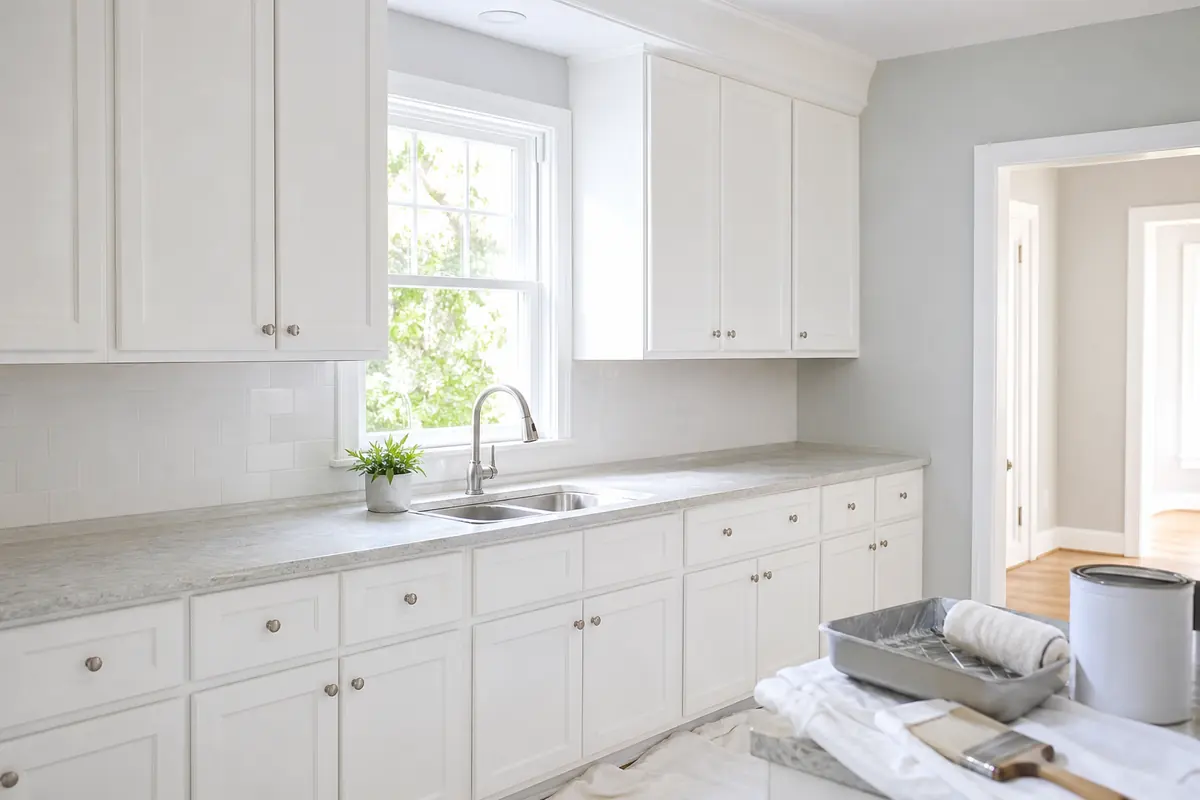
Good painting dates fill up. Spring and early summer are busy for exterior work, and fall can book fast as homeowners try to beat the cold. If you have a target date, such as a house sale, a family event or a strata deadline, reach out well before it.
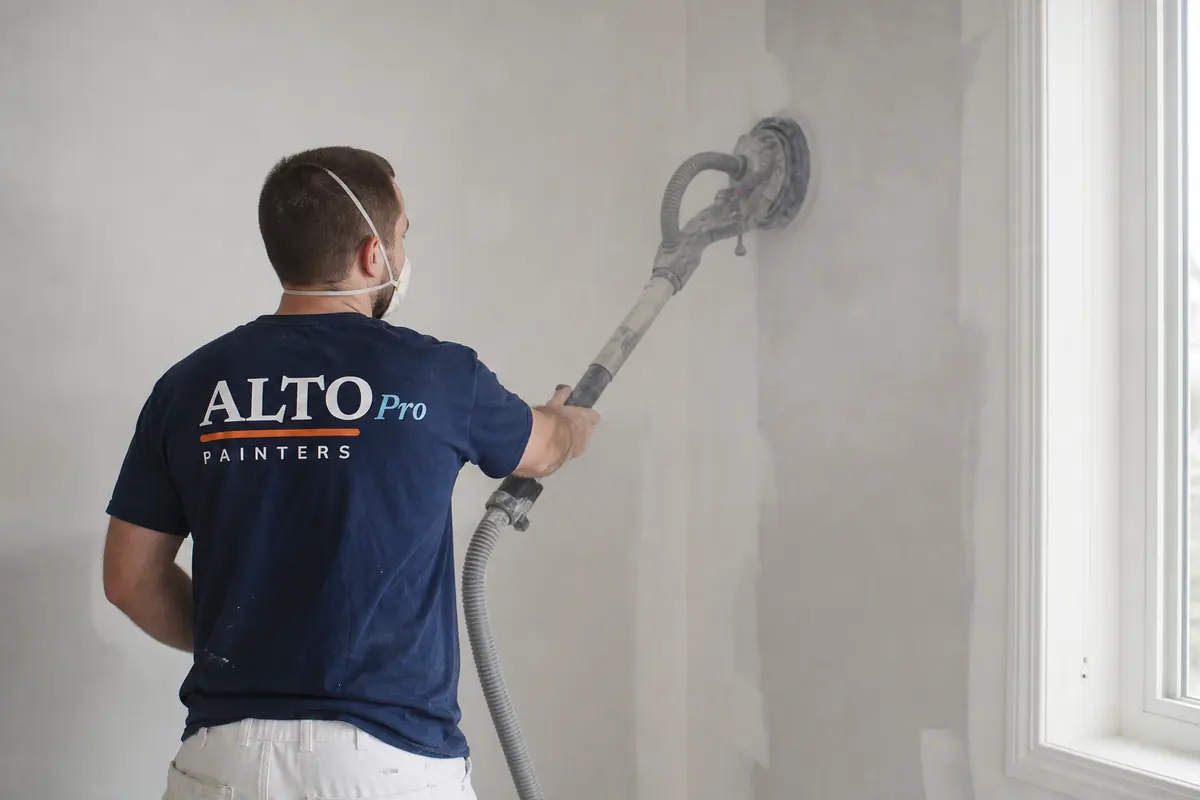
Prep time counts too. Pressure washing, scraping, patching and priming come before the first coat, and any carpentry or drywall repair should be done first. Our how it works page lays out the steps so you know what to expect from the first visit to the final walk-through.
How to choose your window
For exterior work, aim for stable, dry weather with mild temperatures, and be flexible. For interior work, pick the time that suits your household, since rooms may be disrupted for a few days. If you are weighing a bigger project, you can also read our guide to painting cost factors to see what affects scope and scheduling.
Tell us your timing and any must-hit dates when you ask for a free written quote, and we will suggest the best window for your house.
Frequently asked questions
Can I paint my house exterior in the fall in Kelowna?
Yes, often into early October when days are mild. Check that day and night temperatures meet the product’s limits, and book early since the window is shorter and fills quickly.
Is winter a good time for interior painting?
Yes. Interior work does not depend on outdoor weather. Keep the home heated steadily so paint can dry and cure properly, and ventilate the rooms as best you can.
What happens if smoke or wind affects my painting day?
We adjust. That may mean pausing spraying, shifting to interior rooms or rescheduling, so the finish is not marked by dust, debris or smoke film.
Related painting services
More painting guides
- Painting Older Kelowna Homes: What to Check Before You Start
- Choosing Paint Colours Inspired by Kelowna’s Lake, Hills and Orchards
- What to Look For When Hiring a Local Kelowna Painter
Have a question first? Read the FAQ, learn about Alto Pro Painters or contact us.
Further reading: Environment Canada weather and Paint on Wikipedia.