
Paint is part of how a business is judged
Customers make up their minds quickly. Before anyone reads a sign, tastes a meal or hears a sales pitch, they have already noticed whether the entrance is clean, whether the walls are scuffed and whether the place looks cared for. Peeling exterior trim or a grimy reception wall sends a message, and it is rarely the one the owner intended.
Commercial painting is not decoration for its own sake. It is maintenance with a visible payoff. A building that is painted on a schedule looks looked-after, and people tend to assume the business is looked-after too.
It protects the building
Paint is a protective coating. On the outside of a building, it keeps moisture out of wood, stucco, metal and masonry. When it fails, water gets in and the real damage begins: rot, rust, swelling, mould and failed substrates. Repainting before the coating breaks down is far cheaper than repairing what lies underneath.
Inside, durable coatings protect walls in high-traffic areas from scuffs, trolley marks and cleaning wear. In kitchens, washrooms and storage areas, the right finish makes surfaces easier to clean and helps meet hygiene expectations.

Colour and finish support the work being done
Colour changes how a space feels and how it works. Light, clean colours can make a small office feel open. Warm tones suit waiting rooms and hospitality spaces. Bold colour can mark zones or reinforce a brand, while neutral tones keep a retail floor out of the way of the product.
Finish matters just as much. A satin or semi-gloss in a corridor wipes clean. A flat finish on a ceiling hides the imperfections that show up under strong lights. Selecting finishes by area, not by habit, makes a commercial space easier to run.
Planning around a working business
The biggest difference between commercial and residential work is that someone is usually still trying to run a business while the painting happens. That calls for a plan. Which areas can close, and when? Can work happen after hours or on weekends? Which entrances must stay clear? Where do staff and deliveries go?
A good commercial painter asks these questions before pricing the work. The schedule is built around your operations, with areas finished and handed back in stages where possible. Floors, fixtures, displays and equipment are covered and protected, and the site is left tidy at the end of every shift so you can open in the morning.
Types of commercial work
Commercial painting covers a wide range of properties and conditions.
- Offices, reception areas and boardrooms that need a refresh without losing working days.
- Retail spaces and restaurants, where refreshing walls, trim and storefronts helps keep the place inviting.
- Strata and multi-unit buildings, including common corridors, stairwells, entrances and exteriors.
- Warehouses and light industrial spaces that need durable coatings, line marking or safety colour.
- Medical and care settings, where cleanable finishes and low odour matter.
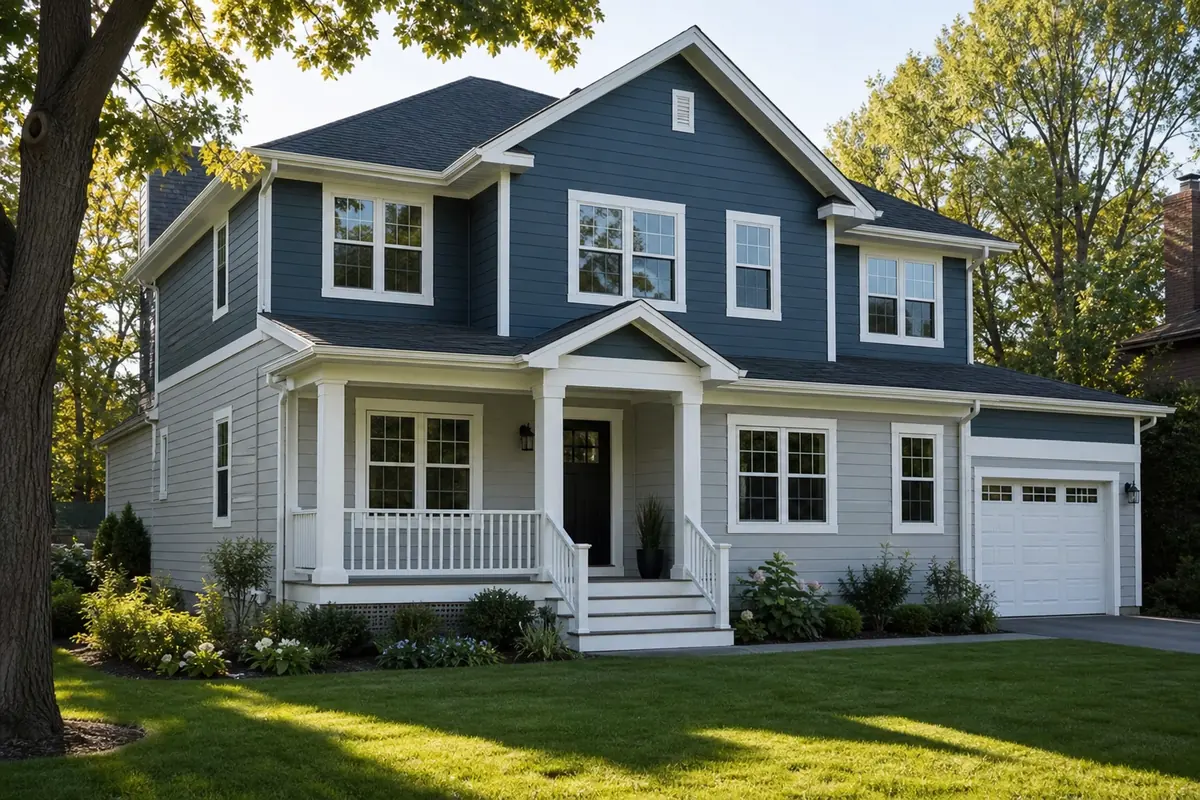
- Exterior repainting of storefronts, siding, doors, railings and fascia.
Prep and product choice
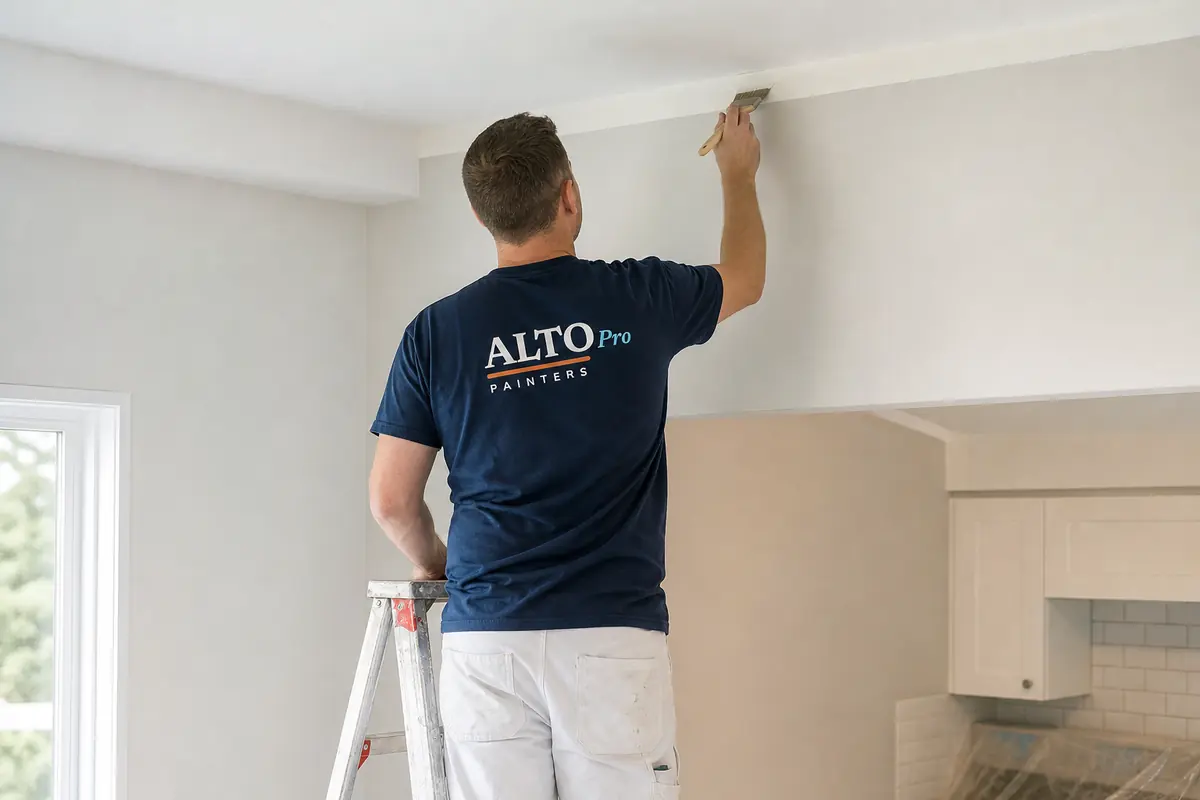
Commercial surfaces get hard use. Walls near doors collect scuffs, metal doors and railings corrode, and older exterior surfaces may have chalked or flaked. Cleaning, scraping, sanding, filling and priming come first, just as they do at home, but the volume is bigger and the tolerance for failure is lower.
Product selection follows the use. Higher-durability coatings suit corridors and high-contact areas. Moisture-resistant products suit washrooms and kitchens. Low-odour, low-VOC paints suit occupied spaces. A written scope should name the surfaces, the prep, the coating type and the number of coats.
Compliance and coordination
Commercial properties come with rules. Tenants may need landlord approval for colour changes, and strata buildings typically need approval for changes to common property, along with bylaw checks on work hours and noise. Older buildings may have lead paint or asbestos-containing materials that need to be identified before sanding or scraping. Ask about the age of the building at the start.
For work on larger sites, contractors are often asked for safety documentation by property managers. We do not claim documents we cannot show, so ask any painter you are considering for the specific paperwork your building requires, and get it in writing.
Choosing a commercial painter
Look for clear communication more than anything. Does the written quote name the surfaces, prep, products and schedule? Is there a plan for working around your hours? Who is your point of contact, and will they walk the site with you at the end? These answers say more about the outcome than a slogan ever will.
If you are planning a commercial project, we offer a free written quote that lists the scope in plain terms. You can read about our commercial painting work to see how the process runs from first call to final walkthrough.
Frequently asked questions
Can commercial painting be done after hours?
Often yes. Many jobs are scheduled in evenings or on weekends to avoid disrupting customers and staff. Discuss the options when you request a quote.
How often should a commercial space be repainted?
It depends on traffic, exposure and the condition of the coating. High-traffic interiors and sun-exposed exteriors usually need attention sooner than quiet spaces.
Do tenants need approval before repainting?
Usually yes. Check your lease and, in strata buildings, the bylaws, before any colour or finish changes.
Related painting services
More painting guides
- DIY Painting vs Hiring a Professional Painter
- What Affects the Cost of Painting
- Decorating Rooms in Gray: Ideas That Work
Have a question first? Read the FAQ, learn about Alto Pro Painters or contact us.
Further reading: Paint on Wikipedia and WorkSafeBC.