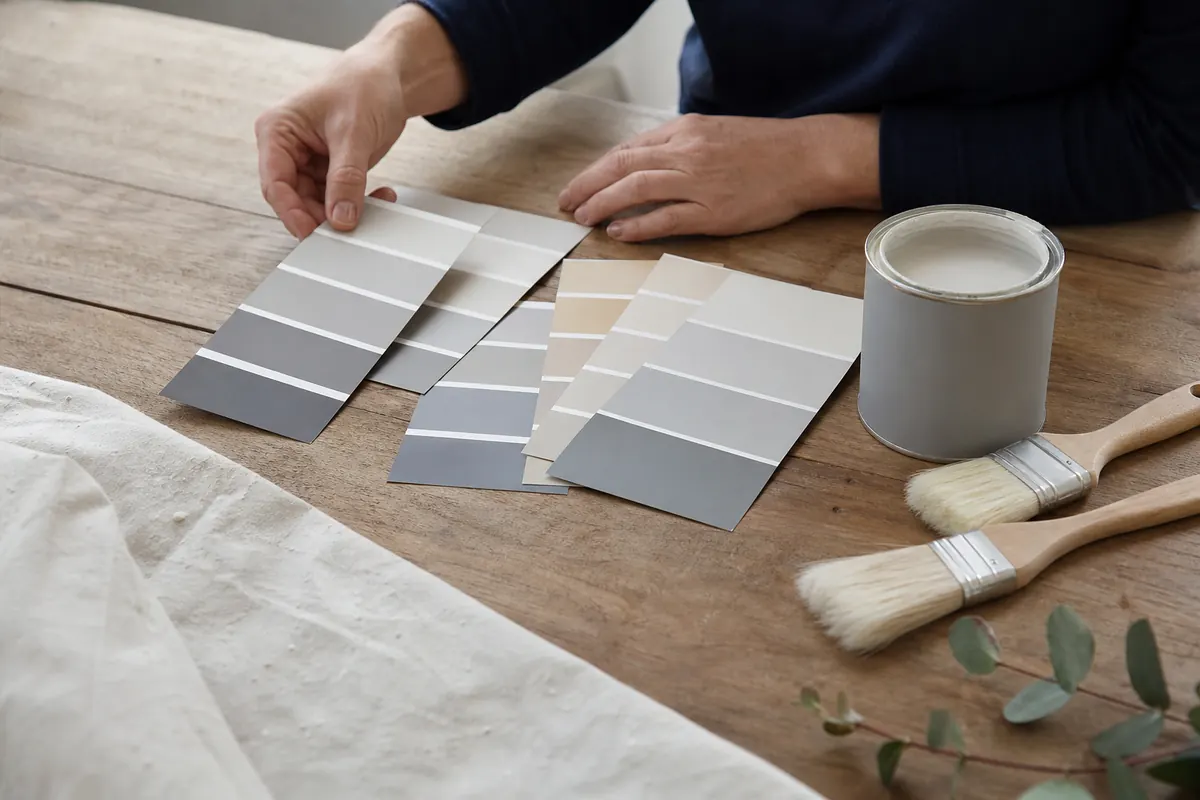
Why decorative finishes are different from plain paint
A plain painted wall is forgiving. A decorative finish is not. Metallic paint catches light and shows every ripple underneath. A glaze is layered on purpose, so any unevenness in the base layer shows up in the final pattern. These finishes can look striking, but they are the kind of job where the preparation and the planning matter more than the product.
This guide covers the most common options for homes: metallic accents, stencilled patterns, coloured glaze and sponging. It also explains what to settle before anyone opens a can, because most disappointments with feature walls come from decisions made in a hurry.
Metallic paint: small doses usually look best
Silver, gold and copper tones can suit a home better than people expect. The trick is restraint. Covering every wall in a shiny metallic is hard to live with, and it makes a room feel like a showroom. A single wall, a recessed panel, a fireplace surround or a narrow band works much better.
There are a few ways to use it without overdoing it.
- Accent in small amounts: use the existing wall colour as the background and add metallic only in selected spots. A random scatter or a repeating pattern can mimic the look of wallpaper.
- Freehand details: with a brush and a steady hand, you can add lines, borders or loose shapes. A hint of silver on a gray wall is subtle. A gold detail against a deep charcoal or black background is much more dramatic.
- A full feature wall: metallic paint reflects light, so a wall covered in it can brighten a dim room. Rolling or brushing in different directions gives a deliberately uneven, layered look, and it does not need to be perfectly uniform.
- A stencilled pattern: a damask or geometric stencil in metallic over a rich background such as emerald, navy or burgundy gives a formal feel. Use painter’s tape and a light hand so the edges stay sharp.
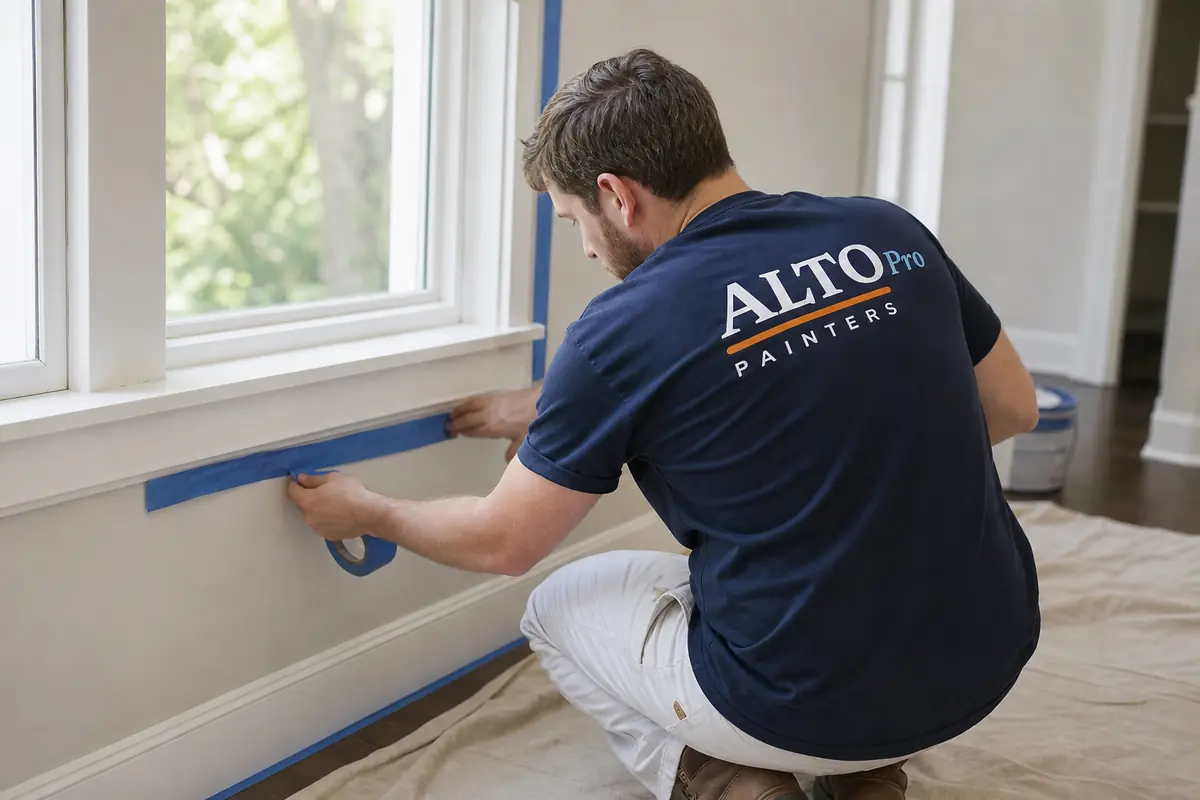
Why metallic finishes demand a flat wall
Light skims across a metallic surface and exaggerates everything. Drywall seams, fastener dimples, patched holes and sanding scratches that disappear under flat paint will show clearly under a metallic. If you want a reflective wall, the surface underneath has to be properly smooth before the first coat.
That means skim-coating or filling imperfections, sanding them level, and priming the repairs so the finish absorbs evenly. If the wall has damage beyond cosmetic dents, it may need drywall repair before any decorative work starts. It is slower than a quick roll, but the result depends on it.
Coloured glaze: how the layered look is made
A glaze is a translucent, tinted layer applied over a solid base colour. Because you can see through it, the base colour shows underneath and the glaze adds soft variation on top. The effect is depth, a little like looking at a stained surface rather than a flat one.
The usual order is straightforward. The wall is prepared and given two coats of a flat or matte base. Once that is fully dry, a contrasting glaze is applied in sections of roughly one square metre at a time, because it dries quickly and you need time to work it. The glaze is brushed in several directions, then softened with a dry brush with short bristles until the obvious brush marks are gone. The brush should be wiped with a rag now and then so paint does not build up on the bristles.
Sponging: a softer, mottled effect
Sponging uses the same tinted glaze but applies it with a natural sponge instead of a brush. You dip the sponge lightly, press it onto a tray or board to remove the excess, and then dab it onto the wall with a loose, irregular motion. The result is a cloudy, mottled texture that lets the base colour show through.
A few habits make it work. Keep the sponge only lightly loaded, because a heavy one will drip and leave dark spots. Wipe the excess with a rag if it starts to run. Turn the sponge as you go so the pattern does not repeat. Two or three tones that sit close to the base colour are usually enough, and a satin or eggshell base lets the glaze sit nicely. Once everything has dried, a coat of clear matte protective finish can be added if the wall will get handled.
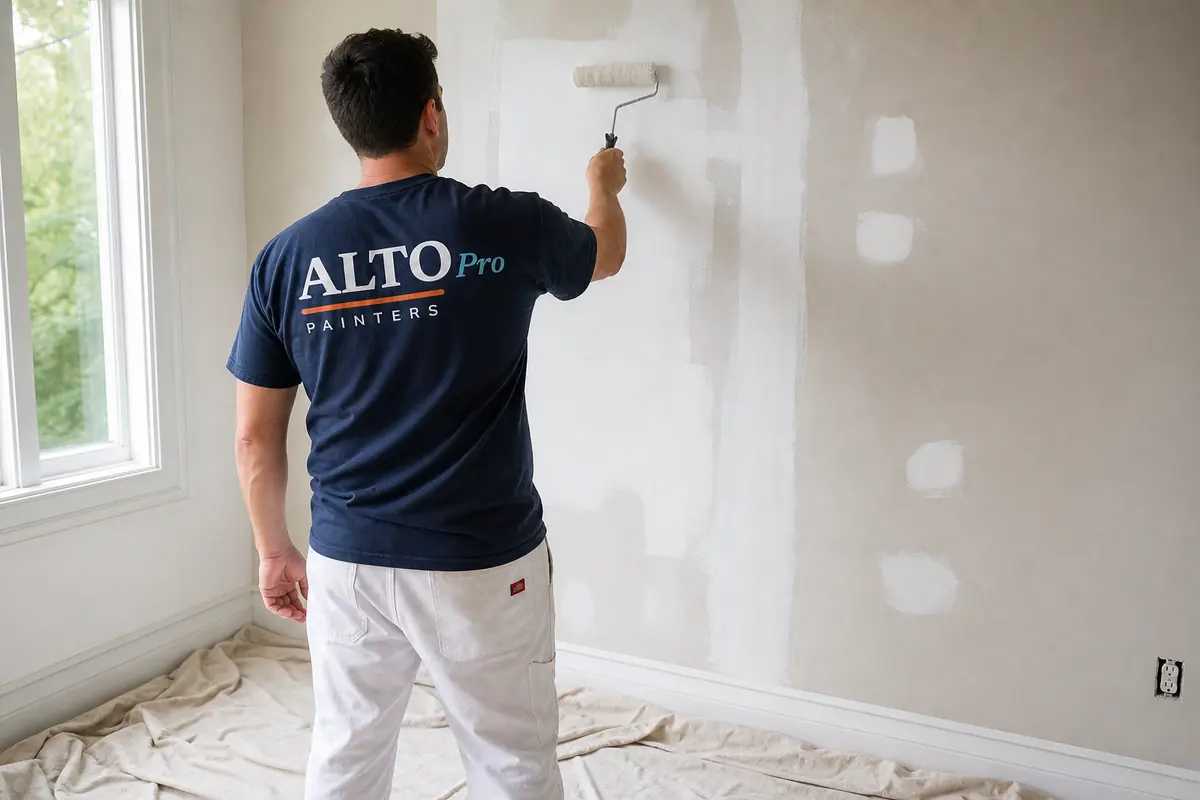
Planning a feature wall before you start
A feature wall works when it earns its place. The wall that your eye goes to naturally, such as the one behind a bed, a sofa or a dining table, is normally the right choice. Avoid a wall with several windows, doors and vents, since too many interruptions break up the effect.
Think about the rest of the room as well. A bold wall needs quieter neighbours. If the metallic or glazed wall is the star, keep the other walls calm and the trim clean. Also consider the finish on the other walls, since mixing sheens badly can make a room feel busy.
How we handle prep for decorative work
Before a decorative finish goes on, we walk the room and look at the wall in raking light, because that is when flaws show. We fill holes and cracks, sand the repairs, cover floors and furniture, tape carefully and prime where needed. The base colour then goes on fully before any glaze or metallic touches the wall.
If you are planning a special finish, let us know early. It is easier to scope in at the quote stage, when the time, number of coats and drying between steps can be written into the interior painting plan, than to add it halfway through the job.
Frequently asked questions
Can I put metallic paint over my existing wall colour?
Often yes, as long as the wall is clean, smooth and sound. Existing colour can serve as the background, but damaged or glossy areas should be repaired, sanded and primed first.
How long does a glaze take to dry?
Glaze dries quickly while you are working it, which is why it is applied in small sections. Full drying and curing before furniture goes back or protective coats go on takes longer, so follow the product instructions.
Is a decorative finish hard to change later?
Heavily layered or textured finishes take more work to paint over, because the surface may need sanding and priming to hide the pattern. Metallic accents usually need a stain-blocking primer before a plain colour covers them.
Which rooms suit a metallic or glazed wall?
Dining rooms, entries, bedrooms and living rooms tend to suit them, since they are rooms where one standout wall makes sense. Busy kitchens and steamy bathrooms are less friendly to delicate finishes.
Related painting services
More painting guides
- Choosing Paint Colours for the Darker Months
- Declutter First, Then Refresh Your Home With Paint
- Door Painting Ideas: Front Doors, Interior Doors and Curb Appeal
Have a question first? Read the FAQ, learn about Alto Pro Painters or contact us.
Further reading: Interior design on Wikipedia and Wallpaper on Wikipedia.