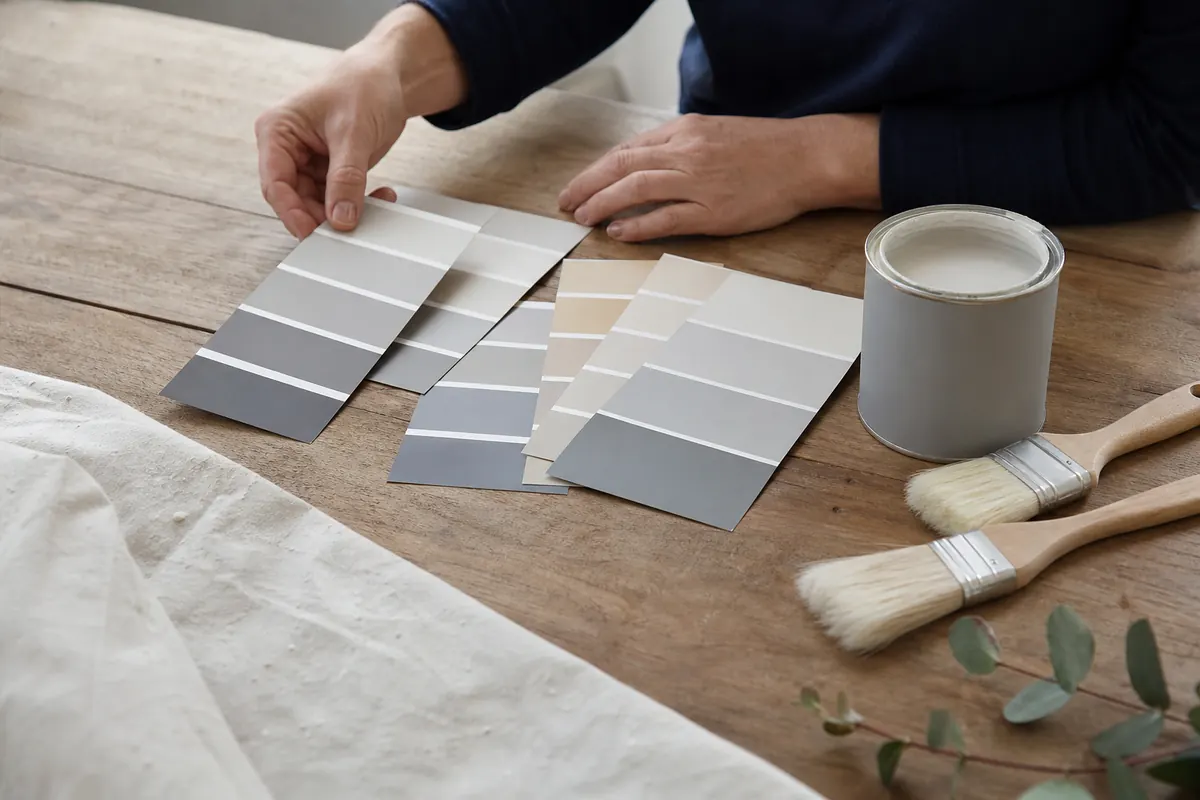
Strong sun and UV are the first thing that wears paint down
Kelowna gets a lot of sun, and it hits south and west walls hard. Ultraviolet light breaks down the binder in paint over time. You see it as chalky residue when you rub a wall, as colour that looks tired, and as a surface that has lost its sheen.
Dark colours take the worst of it. They absorb more heat and fade faster than light colours, especially on sun-facing walls, doors and fascia. If you love a deep charcoal or navy, a quality exterior paint with good UV resistance matters more than it would in a shadier climate. Our exterior painting crews often suggest a slightly lighter shade on the sunniest sides.
Hot dry summers change how paint dries
Heat and dry air make paint dry fast. That sounds helpful, but it can cause problems. Paint that skins over too quickly can show lap marks, brush marks and poor flow. It can also bond badly to a surface that is hot to the touch.
We pay attention to which wall is in the sun and when. Work follows the shade around the house. We start on the east side in the morning, move to the south and west later in the day, and avoid painting a surface that is too hot to hold your hand against. Interior work has its own issue, since open windows and fans can speed up drying and show roller marks if the crew does not keep a wet edge.
Product temperature limits are real
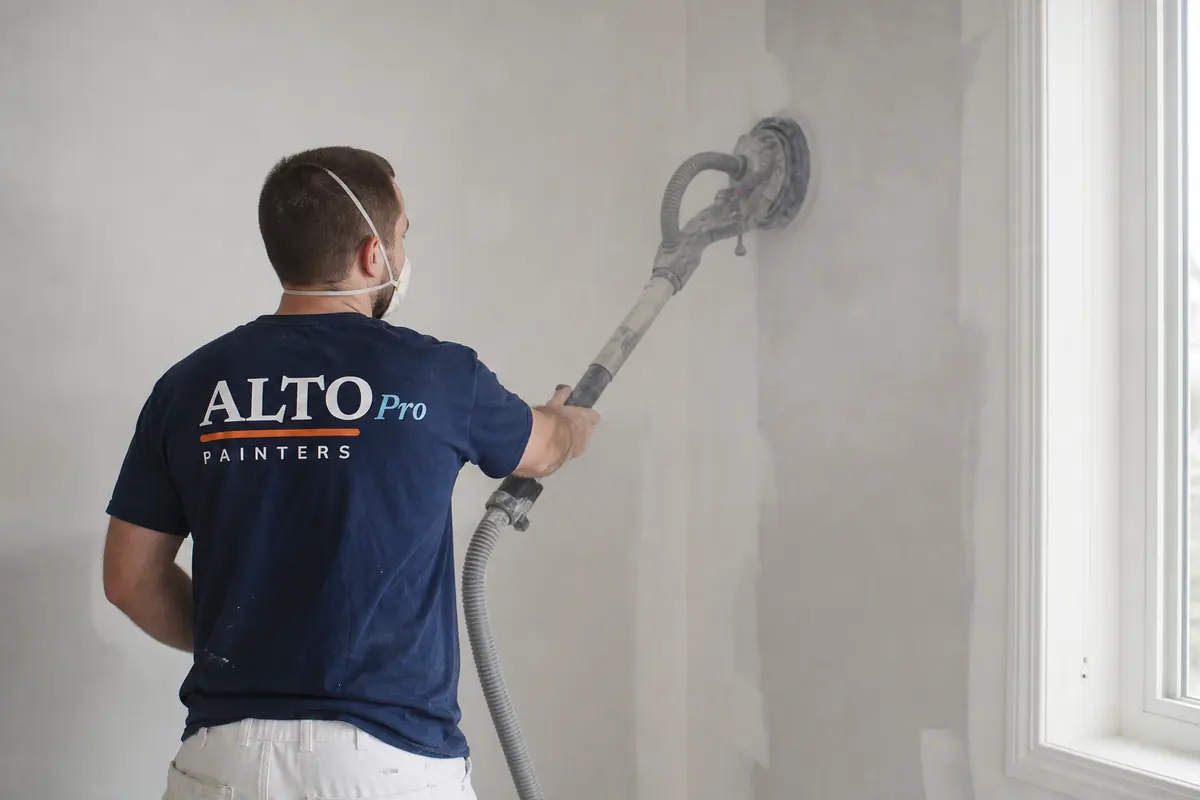
Every paint has a minimum application temperature on its data sheet. As a general guide, many water-based exterior paints want air and surface temperatures of about 10 degrees Celsius or higher, and rising, not just on the day but through the night while the paint cures. Some modern products tolerate cooler conditions, so the label for the exact product always wins.
This is why late fall and early spring jobs need care. A bright afternoon can look fine while the surface is still cold, and an evening drop can leave the paint soft or dull. If dew or frost is likely overnight, we hold off. Painting in marginal weather is the quickest way to get a finish that does not last.
Freeze-thaw, moisture and what it does to wood and stucco
Okanagan winters bring cold snaps and thaw cycles. Water that gets into small cracks freezes, expands and pushes the paint film off. Stucco hairline cracks, open caulk joints, bare wood end grain and worn window sills are where this starts.
- Stucco needs cracks filled with a flexible patching product and a proper masonry primer before paint.
- Wood siding, fascia and trim should be scraped, sanded, spot primed and caulked at the joints.
- Decks and railings take the most abuse because they face sun, snow and foot traffic.
- Garage doors and south-facing front doors need a durable enamel that handles heat.
- Any bare or soft wood should be dealt with before it is painted, not after.
Lake humidity, shade and the spots that stay damp
Kelowna is dry compared with the coast, but homes near the lake, near irrigation, or on the shaded north side of a building can hold moisture. Mildew and algae show up as dark or green patches on siding, soffits and shaded stucco. Painting over them without cleaning only locks the problem in.
We wash first and let surfaces dry fully. Where growth is heavy, we treat it with a suitable cleaner before priming. Sprinklers that hit the walls are worth redirecting. Our guide to exterior painting preparation walks through what proper washing and drying looks like.

Choosing sheen and colour for sun and heat
Sheen affects how paint handles weather. Flat finishes hide wall flaws but hold dirt more easily. Satin and low-sheen exterior finishes tend to wash better and shed water. Gloss is usually saved for trim, doors and spots that need to be wiped. If you are not sure which suits your home, read our plain guide to choosing a paint finish.
Inside the house, strong sun can fade fabrics and floors, and it shows every roller mark on a bright wall. Slightly higher-sheen paint on sun-struck walls can look uneven, so a good matte or low-sheen finish is often the safer pick for large, bright rooms.
Plan the job around the weather, not just the calendar
The best result comes from matching the product, the prep and the weather. A good crew checks forecasts, watches surface temperatures and is willing to shift a day when conditions are wrong. That is part of how we run every residential painting job, and you can read the steps on our how it works page.
If you want a plan for your own home, tell us the age of the house, the wall materials and which sides get the most sun. We will walk the property and put the product choices in writing with a free written quote.
Frequently asked questions
What is the minimum temperature for exterior painting?
Many water-based exterior paints call for about 10 degrees Celsius or warmer and rising, but it varies by product. Always check the data sheet, and watch overnight lows as well as daytime highs.
Does Kelowna sun make paint fade faster?
It can. Strong UV breaks down paint on sun-facing walls, and dark colours fade fastest. A quality exterior paint and a slightly lighter shade on the sunniest sides help colour last longer.
Why does paint peel after a Kelowna winter?
Usually moisture. Water gets into cracks or bare wood, freezes and pushes the paint off. Proper cleaning, crack repair, caulking and priming before painting reduce the chance of peeling.
Related painting services
More painting guides
- The Best Season to Paint in Kelowna
- Painting Older Kelowna Homes: What to Check Before You Start
- Choosing Paint Colours Inspired by Kelowna’s Lake, Hills and Orchards
Have a question first? Read the FAQ, learn about Alto Pro Painters or contact us.
Further reading: Environment Canada weather and Latex paint on Wikipedia.